


Watching your child get hurt is stressful, especially when it’s hard to tell if it’s a sprain or a break. Both are common in active kids, but knowing the difference is key to proper care and faster recovery.
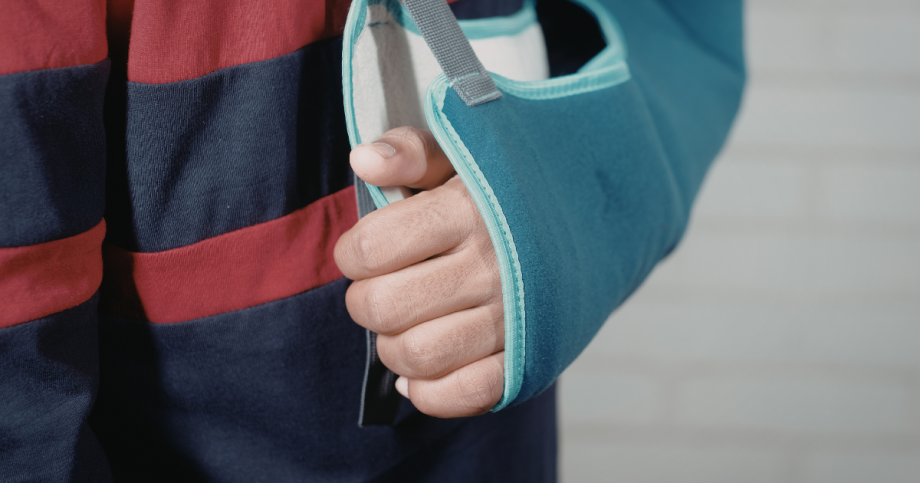
Sprains affect ligaments, while breaks involve bones; each with its own symptoms and treatment needs. Recognizing the warning signs early can help you act quickly and prevent complications.
This guide will give you the tools to spot the difference, respond appropriately, and support your child’s healing. Stay informed and confident in keeping your child safe and healthy.
Understanding Sprains and Breaks: The Basics
Sprains and breaks often occur during play or sports. Understanding the difference helps in identifying the right care.
A sprain happens when ligaments, which connect bones, get stretched or torn. Breaks, also known as fractures, involve the bones themselves.
Sprains usually result from a sudden twist or fall. Breaks can occur from direct impact or force exceeding bone strength. Both require attention but differ in treatment approach.
Here's a quick comparison to remember:
- Sprains: Ligament injury, swelling, pain, bruising.
- Breaks: Bone fracture, severe pain, swelling, deformity.
Having this basic knowledge aids in responding effectively to these injuries. It sets the stage for making informed decisions about your child’s orthopedic health.
Anatomy of an Injury: What Happens in a Sprain vs Break
Understanding what happens in the body during an injury can provide clarity. When a sprain occurs, the ligaments that stabilize joints become overstretched. This can happen from rolling your ankle or landing poorly during a jump.
In contrast, a break impacts the bone structure directly. It results from high-impact forces that crack or shatter the bone. This might happen when children fall hard on an outstretched arm during sports or play.
Recognizing these distinctions helps in understanding the body's response and the appropriate treatment path. This knowledge is crucial for effectively managing these injuries and promoting healing.
Recognizing the Signs: Symptoms of Sprains vs Breaks
Identifying whether an injury is a sprain or a break can be challenging for parents. Observing specific symptoms can help guide your decision.
Sprains typically involve:
- Pain at the injury site.
- Swelling and bruising around the joint.
- Limited mobility due to ligament stretching or tearing.
Breaks, or fractures, often show more severe signs:
- Intense pain and difficulty moving the limb.
- Swelling and bruising that's pronounced or spreads quickly.
- An inability to bear weight or a visible deformity.
If your child experiences a sprain, they might still be able to move the joint, although with discomfort. However, a break often results in immobilization due to sharp pain.
Knowing these distinctions helps parents respond appropriately. Immediate attention can prevent complications and lead to quicker recovery.
First Aid at Home: What Parents Should Do Immediately
When your child suffers a possible sprain or break, acting quickly is crucial. Initial care can mitigate symptoms and prevent further harm.
Start with the RICE method as immediate first aid. This technique is simple yet effective:
- Rest the injured area to prevent exacerbation.
- Apply Ice to reduce swelling and numb the pain.
- Use Compression with a bandage to control swelling.
- Elevate the injury above heart level to decrease swelling.
These steps offer crucial relief and buy time until you get professional help. Always keep ice wrapped in a cloth to protect the skin.
If the child experiences severe pain or can't use the limb, seek medical attention promptly. Don't hesitate to visit a healthcare professional if you're unsure of the injury's severity.
When to Seek Medical Attention
Knowing when to seek medical help can prevent complications. Not all injuries require an emergency visit, but some signs indicate the need for professional care.
Take your child to see a doctor if any of these signs occur:
- Severe pain that persists or worsens.
- Visible deformity or bone protruding through the skin.
- The child cannot bear weight or use the affected limb.
Trust your instincts as a parent. If something feels off or the injury seems serious, it's better to err on the side of caution and consult a healthcare provider promptly.
Diagnosis: How Doctors Tell the Difference
Determining whether an injury is a sprain or a break involves careful examination. Doctors rely on various diagnostic tools and techniques to assess the damage accurately.
Typically, the process includes:
- A thorough physical examination by a healthcare professional.
- X-rays to identify fractures or more severe injuries.
Each method provides critical insights, ensuring an accurate diagnosis. This approach helps in developing a targeted treatment plan that addresses your child's specific needs, facilitating a swift and effective recovery process.
Treatment Options for Sprains
Caring for a sprain usually begins with basic home treatments. Rest is crucial to prevent further injury and promote healing. Applying ice helps reduce swelling.
Medical treatment might include:
- Elevating the injured area.
- Using a brace or splint to stabilize.
- Physical therapy for rehabilitation.
Doctors may recommend over-the-counter pain relievers for discomfort. In some cases, more intensive therapies are necessary. It's essential for your child to follow medical advice closely. This ensures a complete recovery and reduces the risk of future injuries.
Treatment Options for Breaks
Treating a break often requires more complex care than a sprain. Immobilization is typically the first step to ensure proper healing. A cast or splint is commonly used.
Depending on the severity of the fracture, surgery might be necessary. This is to align and stabilize the bones. Post-surgery, rest and protection of the area are essential.
Key components of treatment include:
- Applying a cast or splint.
- Undergoing surgery if needed.
- Following prescribed rehabilitation programs.
Close follow-up with an orthopedic specialist is vital for monitoring the healing process and adjusting care as needed.
Recovery and Healing: What to Expect
The recovery time after a sprain or break can vary greatly. Sprains often heal in a few weeks. Breaks might take several weeks to months.
Recovery involves more than physical healing. Children need to build strength and restore the range of motion. Encouraging them to follow the doctor's advice is key.
Parents should be patient and supportive, helping their child stay positive throughout the healing process.
Preventing Sports Injuries: Tips for Parents and Kids
Preventing injuries is a proactive task. Warm-up exercises should become a part of every routine. They prepare the body for physical activity.
Proper equipment is crucial. Ensure children have the right gear for their sport. Helmets, pads, and appropriate footwear can reduce injury risks.
Additional prevention measures include:
- Providing a safe playing environment.
- Educating on proper techniques and form.
- Encouraging rest and recovery.
Teach children to listen to their bodies. Highlight the importance of reporting any pain or discomfort immediately. Prevention requires teamwork between parents, coaches, and kids.
When in Doubt: Advocating for Your Child’s Health
Trust your instincts when it comes to your child's health. If something feels off, it probably is. Being proactive can prevent complications.
Here’s how you can advocate effectively:
- Ask for a second opinion if unsure.
- Request detailed explanations of diagnoses and treatment plans.
- Ensure thorough follow-ups, especially if symptoms persist.
Stay informed, engaged, and don't hesitate to speak up. Your child's well-being is the priority.
Take Action Quickly to Keep Your Child Safe
Sprains and breaks can look similar, but getting the right care early makes all the difference. Prompt evaluation helps prevent complications, speeds recovery, and ensures your child stays active and healthy.
If you’re unsure whether it’s a sprain or a break, don’t wait! OrthoCarolina’s experts can assess and treat injuries quickly. Schedule an appointment or walk in for immediate care, and get peace of mind knowing your child is in skilled hands.
Frequently Asked Questions
How can I tell if my child has a sprain or a break?
Sprains affect ligaments and usually cause swelling, bruising, and limited movement. Breaks involve bones and often result in severe pain, visible deformity, or inability to bear weight. If you’re unsure, seek medical evaluation promptly.
What should I do immediately after a suspected sprain or break?
Follow the R.I.C.E. method for sprains (Rest, Ice, Compression, Elevation) while keeping the injured area protected. For suspected breaks, immobilize the limb and seek immediate medical care to prevent complications.
When should I take my child to a doctor or urgent care?
If your child has intense pain, swelling, deformity, or can’t move the limb, it’s important to see a healthcare provider right away. Early evaluation ensures proper treatment and faster recovery.
Back