


After a particularly long, cold winter, spring is finally on the horizon in the Carolinas. For many young athletes, that means one thing: baseball season is here!
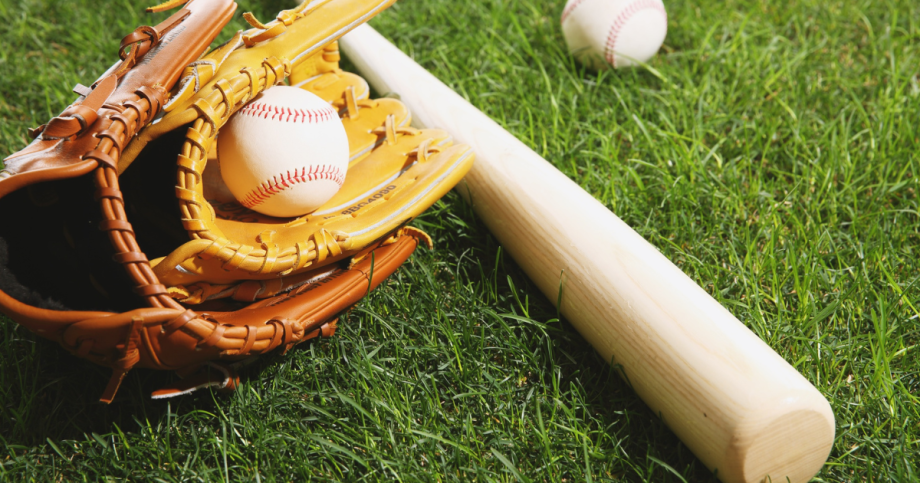
The crack of the bat, the smell of fresh-cut grass, and the thrill of competition bring excitement for players and families alike. But with the fun of the game comes the reality of sports injuries. Overuse injuries, particularly to the shoulder and elbow, are on the rise in youth baseball, and being proactive is the best way to ensure a safe, successful season.
Why Baseball Injuries Are Increasing
Baseball is a sport that places significant stress on specific parts of the body. Pitching, throwing, swinging, and sudden movements put repetitive strain on the shoulder, elbow, and wrist. Common causes of injuries include:
- Poor throwing mechanics: Improper technique increases stress on joints and muscles.
- Overuse: Pitching too much without adequate rest leads to fatigue and micro-injuries.
- Flexibility or strength deficits: Weak or tight muscles, especially in the shoulder, core, and legs, can lead to compensations that cause injury.
- Early specialization: Playing only baseball year-round limits overall athletic development and increases injury risk.
When injuries occur during the season, they can be frustrating and difficult to manage. Players often want to stay on the field, which makes prevention strategies critical.
Prevention Is Key
The good news is that many baseball injuries are preventable. Organizations like STOP Sports Injuries provide guidelines specifically aimed at reducing overuse injuries in young athletes.
Here are some key strategies for baseball players:
1. Schedule Time Off
Taking breaks from throwing may seem impossible in today’s year-round sports culture, but it’s essential. Experts recommend 2–4 months each year without throwing. This doesn’t mean sitting on the couch—athletes can stay active by participating in non-throwing sports, running, strength training, and conditioning exercises that maintain overall athleticism while giving the arm a break.
2. Warm Up Properly
A proper warm-up prepares the body for the demands of baseball. This includes:
- Light jogging or dynamic movement drills
- Stretching key muscle groups, such as shoulders, forearms, and hips
- Gradually increasing throwing intensity with progressive throws
3. Monitor Pitching Positions
Young athletes should avoid playing both pitcher and catcher on the same team. Each position requires different movement patterns and stresses, and doing both can lead to overuse injuries.
4. Listen to Your Body
Pitching through pain can worsen injuries and extend recovery time. Athletes should communicate any soreness or discomfort to coaches and, if necessary, consult a healthcare professional. Persistent pain is a signal that something may be wrong.
5. Follow Pitch Counts and Guidelines
Organizations like Little League Baseball provide age-based pitch counts and rest guidelines. Following these rules helps prevent overuse injuries and protects growing arms.
6. Get Professional Assessment
Proper mechanics are crucial to reducing injury risk. Sports medicine specialists at OrthoCarolina offer video analysis of throwing mechanics and screening exams to identify potential problem areas. A professional evaluation can help athletes correct technique, optimize performance, and reduce stress on the arm.
Recognizing Common Baseball Injuries
Even with preventive measures, injuries can still occur. Knowing the signs of common baseball injuries can help ensure early intervention:
- Shoulder pain or stiffness: Could indicate rotator cuff strain, labral tears, or overuse.
- Elbow pain: Often caused by repetitive throwing, potentially leading to conditions like Little League elbow or ligament injuries.
- Wrist or hand discomfort: May result from catching, batting, or sliding.
- Fatigue or loss of performance: Overuse injuries often present as decreased velocity, accuracy, or endurance.
Early identification and appropriate treatment from sports medicine specialists are critical to avoid long-term complications and to get athletes back on the field safely.
Connecting Prevention and Injury Care to Sports Medicine
Sports medicine is about more than treating injuries—it’s about keeping athletes performing at their best while minimizing the risk of harm. At OrthoCarolina, our team provides:
- Comprehensive evaluations to identify injury risk
- Guidance on safe throwing techniques and mechanics
- Education on pitch counts, rest periods, and conditioning
- Personalized injury care and management for shoulder, elbow, and arm injuries
By connecting prevention strategies with professional assessment and timely care, athletes can enjoy a safer, more successful baseball season.
The Role of Parents and Coaches
Parents and coaches play a vital role in youth sports safety. Encouraging multi-sport participation, emphasizing rest periods, and fostering open communication about pain or discomfort can make a meaningful difference in injury rates. By prioritizing long-term arm health over immediate performance, adults help young athletes build strong foundations for both sports and life.
Frequently Asked Questions
How do I know if my child’s arm pain is serious?
Persistent or worsening pain, swelling, decreased range of motion, or changes in throwing performance should be evaluated by a sports medicine professional. Early assessment can prevent more serious injuries.
Can pitchers safely play year-round baseball?
Year-round baseball increases injury risk, particularly for pitchers. Scheduled breaks from throwing, age-appropriate pitch counts, and multi-sport participation are essential for long-term health.
When should I seek help from a sports medicine specialist?
Any time your child experiences persistent pain, stiffness, or fatigue that doesn’t improve with rest. Sports medicine specialists can provide evaluation, treatment, and guidance to prevent further injury.
Play Smart, Stay Healthy, and Have Fun
Baseball should be fun, educational, and safe. By combining proper prevention strategies, awareness of symptoms, and access to professional sports medicine services, athletes can enjoy a full season while protecting their long-term health.
If you’re looking for professional guidance to optimize performance, prevent injuries, or treat arm and shoulder issues this season, schedule an appointment with OrthoCarolina today. Our sports medicine experts are here to help athletes of all ages perform at their best.
Back